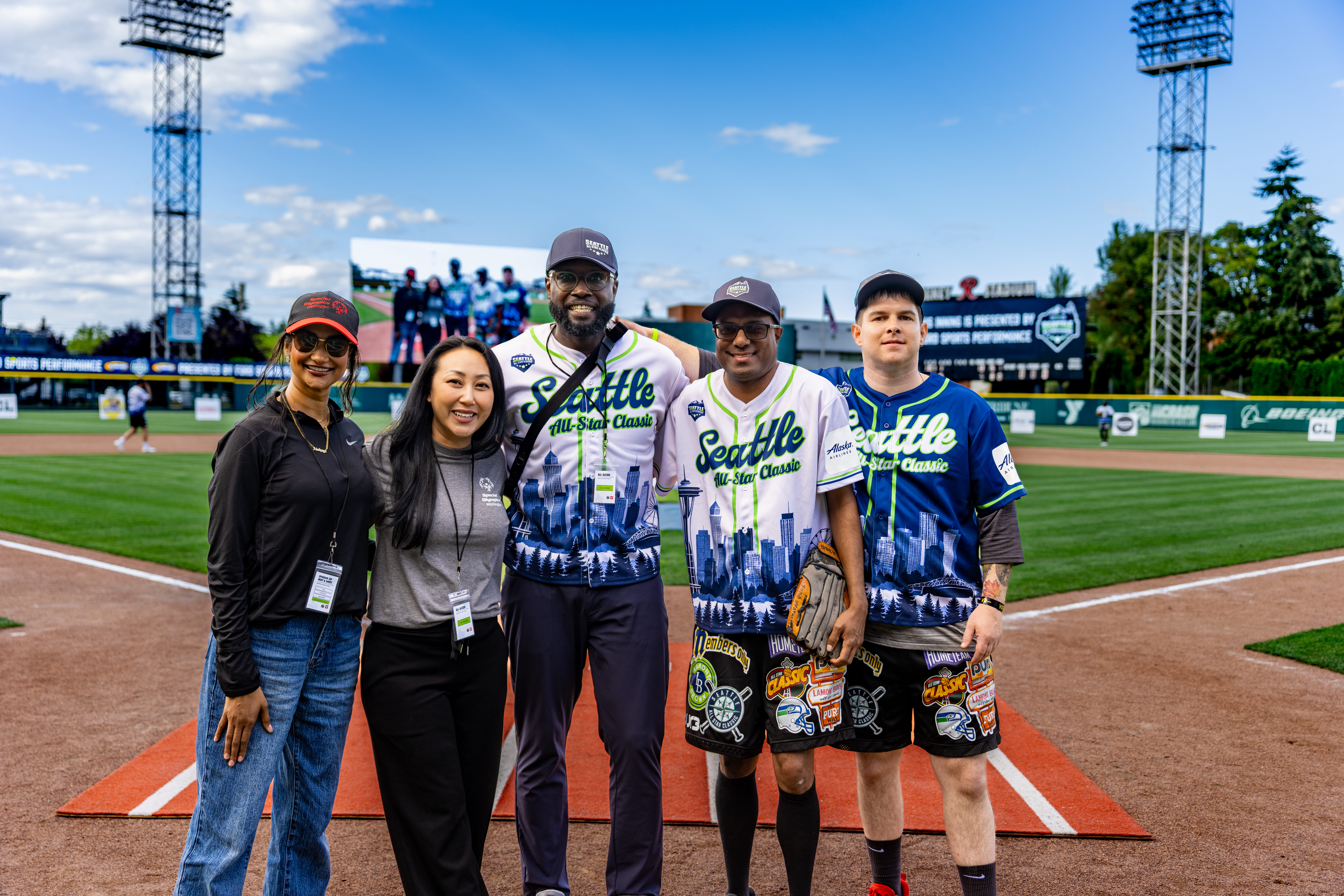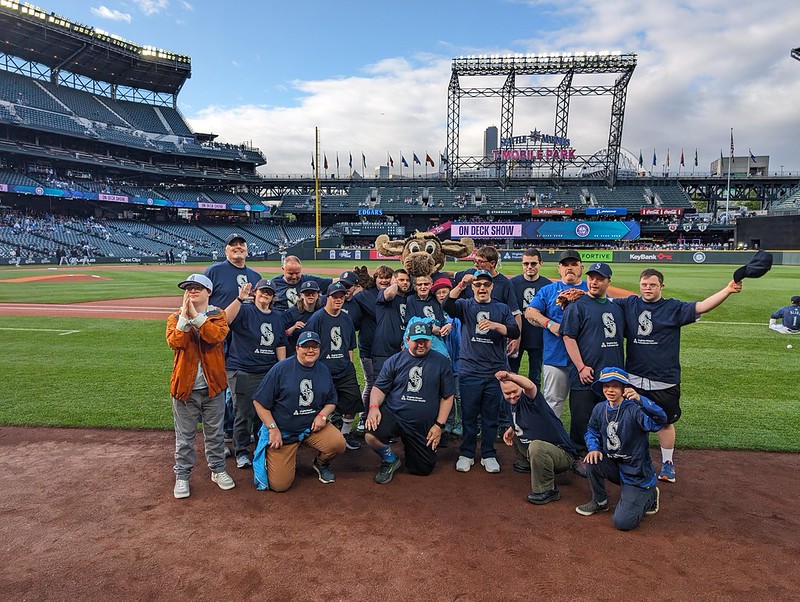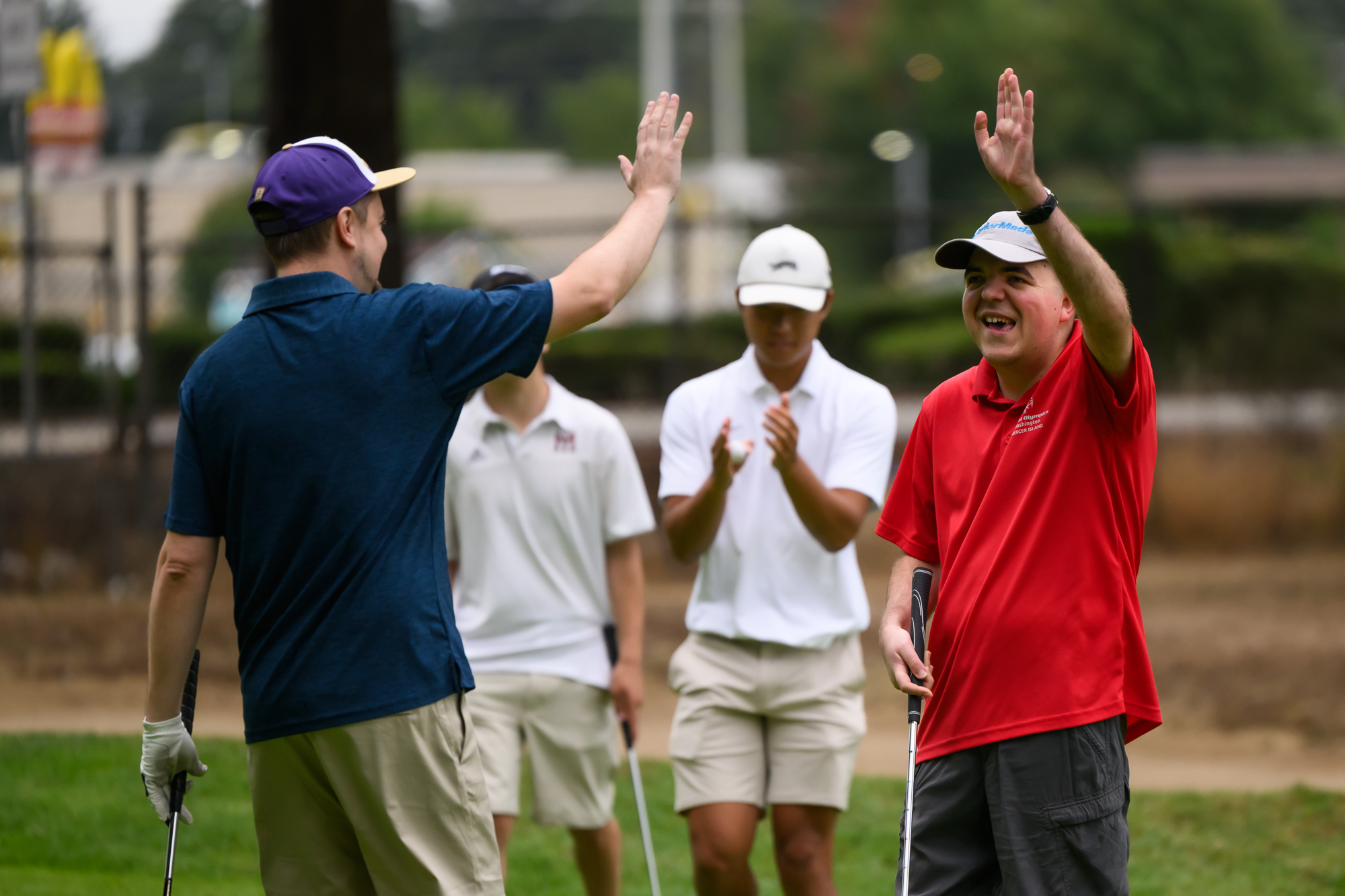
Before Special Olympics Washington could decide what the future of Athlete Leadership should look like, there was an important first step: ask athletes.
Not simply for feedback on a plan that had already been developed. Not for approval at the end of the process. But from the very beginning.
Throughout 2026, a cohort of four Special Olympics athletes and two Unified partners came together to examine Athlete Leadership across Washington, share their own experiences and imagine what a stronger program could look like over the next five years. Their work became The Champions’ Blueprint, a set of recommendations designed to guide how Special Olympics Washington grows and invests in Athlete Leadership.
“The important part of this process was that we weren’t being asked to react to somebody else’s plan. We were helping build the plan. Athlete voices were part of it from the beginning.”
– Tyler Fryberg, Special Olympics Washington Athlete Leader & Coach
That distinction is at the heart of the project.
This was not simply a committee tasked with reviewing an existing program. Athletes and Unified partners were helping define what leadership should look like before the future of the program was finalized
Starting with lived experience
Each member of the cohort came into the process with a different perspective on leadership.
Some had already experienced leadership roles through Special Olympics. Others brought experience as advocates, volunteers, mentors, Unified partners or leaders in their own communities.
Together, they were able to ask a bigger question: What would make it easier for more athletes across Washington to see themselves as leaders?
“There isn’t just one way to be a leader. Some athletes are great speakers, some want to help at events, some want to mentor, and some want to be involved in planning. I want athletes to have the chance to find the kind of leadership that fits them.”
– Raymond Tommasini, Special Olympics Washington Unified Partner
That idea became an important part of the Blueprint.
Rather than defining Athlete Leadership as one role or one training program, the cohort envisioned many ways for athletes to lead including opportunities that are rooted more directly in their local programs and communities. Those opportunities could include mentoring other athletes, creating social media content, serving as a Health Messenger, supporting competitions, speaking at events, coaching, organizing local activities, consulting on Special Olympics Washington programs, and helping shape decisions that affect athletes in their own communities.
First, the cohort listened
The cohort did not rely only on its own experiences.
Through 10 cohort meetings and two surveys, the group gathered input from athletes, Unified partners, coaches and staff across the state. The process resulted in 88 survey responses and helped the cohort understand both the interest in Athlete Leadership and the barriers preventing more people from participating.
The responses made one thing clear: our athletes want more.

Athletes described wanting opportunities to speak at events, mentor newer athletes, serve on committees or boards, work alongside Special Olympics Washington staff, help plan programs and participate directly in decisions about the organization. At the same time, many respondents said they did not know what leadership opportunities were available or identified transportation, support, training and access to information as barriers.
One survey respondent captured the importance of athlete voice simply: “A chance to speak for myself and others.”
Another wrote that they hoped for “more opportunities for athletes to get their voices heard and get their opinions heard on Special Olympics and what we can do to change it and make it better.”
Those voices helped shape six core areas of focus in the Champions’ Blueprint:
Awareness & Access. Training & Skill Building. Leadership Pathway. Leadership Roles. Athlete Voice in Decision-Making. Mentorship.
Making leadership easier to find and access
One of the first challenges the cohort identified was simple: athletes cannot pursue opportunities they do not know exist.
The Blueprint calls for Athlete Leadership opportunities to be easier to find, more consistently communicated and available through a predictable schedule. It also recognizes that access is about more than communication. Transportation, care needs, finances, geography and other barriers can determine whether an athlete is actually able to participate.
“You can’t take advantage of a leadership opportunity if you don’t know it exists. I want it to be easier for every athlete in Washington to know what opportunities are available and how they can get involved.”
– Kassandra Sandgren, Special Olympics Washington Athlete Leader
The broader survey echoed that concern repeatedly. Athletes asked for more information about what exists, more opportunities and accessible transportation. One respondent specifically called for transportation that could better serve athletes who use wheelchairs and cannot easily transfer between vehicles.
Creating leadership opportunities is only part of the work. Making sure athletes can actually reach them is just as important.
Building skills and confidence
Athletes also told Special Olympics Washington they want more opportunities to build their leadership skills.
According to the Blueprint, 72% of athletes and Unified partners surveyed said leadership training would most help them become leaders. The cohort recommends offering introductory leadership modules on a regular schedule, expanding skill-specific training and providing role-specific training for opportunities such as Governance, Health Messenger, Ambassador and Event Lead.
“Athletes should be able to say, ‘This is the kind of leader I want to become,’ and then have the training and support to help them get there.”
– Nathan Noss, Special Olympics Washington Athlete Leader
Importantly, the Blueprint also recognizes that meaningful Athlete Leadership requires training beyond athletes themselves.
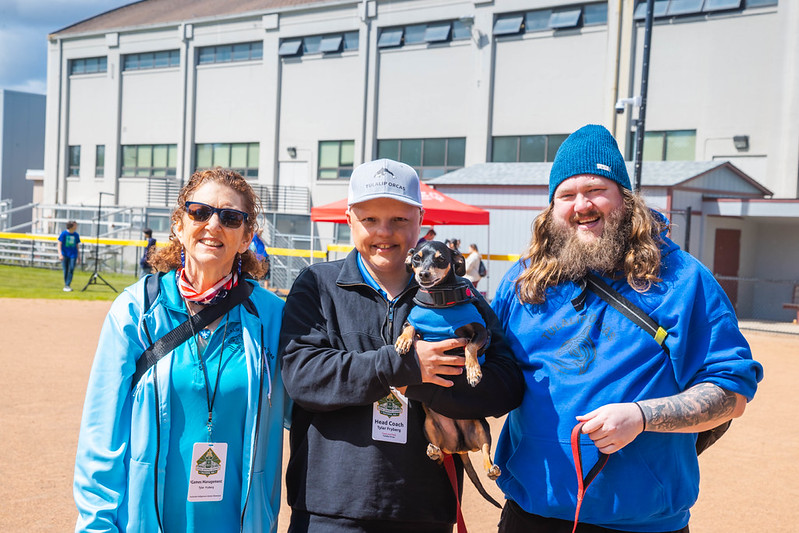
The cohort recommends training volunteers, coaches and mentors on how to effectively collaborate with and support Athlete Leaders so that athletes are empowered and respected in their roles rather than simply included in name.
A meaningful voice in decisions
Perhaps one of the strongest themes to emerge from the process was the desire for athletes to be involved where decisions are made.
The Blueprint’s vision is straightforward: athlete voices should be meaningfully represented in decisions that shape Special Olympics Washington programs and experiences.
Its recommendations include creating more opportunities for athletes to contribute to program leadership, organizational planning, competitions, events and other initiatives, including serving as consultants and subject matter experts.
And crucially, athletes should be included from the beginning, not brought in after plans have already been made.
“Athletes know what works for us because we are the ones experiencing Special Olympics every day. If decisions are being made about athletes, I think athletes should be part of those conversations from the beginning.”
– Erica Byrd, Special Olympics Washington Athlete Leader
The survey reinforced that desire.
Respondents described wanting to help make decisions about Special Olympics Washington, serve on committees or boards and work alongside staff. One athlete wrote that they appreciated Athlete Leadership because athletes are “able to express what they want to see in the program.”
Another said Athlete Leadership allows athletes “to say what we want from the program.”
Those comments point to an important difference between participation and leadership.
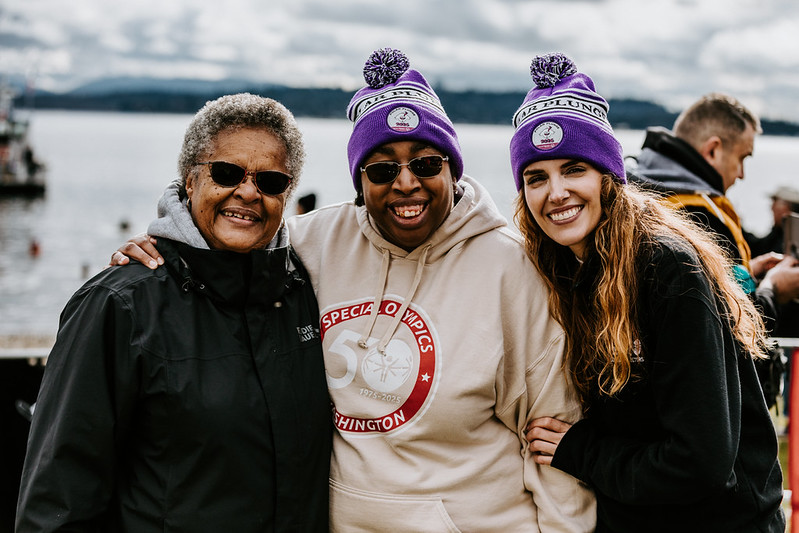
Athlete Leadership is not simply about having athletes in the room. It is about making sure their ideas influence what happens there.
Leaders creating more leaders
The final core theme of the Blueprint is mentorship.
Athletes told the cohort that having someone to support them could make leadership more accessible. The Blueprint envisions a structured mentorship program in which experienced athletes and Unified partners help newer Athlete Leaders learn, prepare for roles and build confidence.
Some respondents also talked about wanting to help newer athletes themselves, creating the possibility of a leadership program where today’s emerging leaders become tomorrow’s mentors.
Why this work matters for leadership
For Special Olympics Washington, the Champions’ Blueprint also raises an important question about organizational leadership.
What does it mean to say an organization is athlete-led?
It means creating structures that do not depend on whether someone remembers to invite an athlete into a conversation.
It means making athlete representation part of how decisions are made.
It means recognizing that Athlete Leaders contribute real expertise, time and skill. The Blueprint specifically recommends compensating athletes for substantial roles, noting that paying Athlete Leaders demonstrates that their work is valued, not simply appreciated.
And it means being willing to listen before deciding what the future should look like.
“One of the most important responsibilities we have as leaders is knowing when to lead and when to listen. Vision 2030 cannot truly reflect the future our athletes deserve unless athletes are helping us build it. The Champions’ Blueprint gives us both a vision and a responsibility: to turn what athletes told us into action.”
– Mary Do, Special Olympics Washington CEO & President

Built by athletes. Built for the future.
The Champions’ Blueprint is still a beginning. As Special Olympics Washington looks toward Vision 2030, the Blueprint’s Year 1 priorities include strengthening Athlete Leadership Councils, creating standard leadership roles, expanding training and adding athlete consultants to State and Regional Games planning committees. It also calls for each department to develop a plan for athlete representation with clear roles and a formal process for participation.
Turning its recommendations into reality will require investment, collaboration and continued listening.
But because athletes helped build the plan, Special Olympics Washington is not starting by assuming what athletes need.
It is starting with what athletes said.
“We want the next generation of athletes to have even more opportunities than we had. That’s what this Blueprint is about: building something that keeps creating new leaders.”
– Alyssa Bonham, Special Olympics Washington Unified Partner
Special Olympics Washington is deeply grateful to the Tabor & Wilfrid Family for the generous gift that has made this work possible and is helping create new opportunities for athletes to develop their skills, lead in their communities and help shape the future of Special Olympics Washington.
Vision 2030 is still being written. And athletes are helping hold the pen.